
How does an Tank Container Terminal Streamline 400 Truck Visits a Day?
Written by Chantal Mooij | Published 01 September 2025
Recently, I had the pleasure of visiting one of our customers—RMI. Or more precisely, their terminals RBC and CETEM. What started as a Supplai customer has now become part of the CERTUS family, and I was curious to see how they manage to handle around 400 truck visits every single day.
From the moment I arrived, it was clear: this is a company that breathes efficiency. You’d expect a site that processes hundreds of trucks a day to feel hectic—but it wasn’t. Trucks moved in and out with quiet precision. No honking, no bottlenecks, no visible stress. Just flow.
Luuk Overweg, Operations Supervisor at RBC/CETEM, explained that being service-oriented and flexible is one of the company’s core values. But with 400 trucks arriving daily, that’s no small feat. How do you stay flexible for your customers while avoiding long waiting times? The answer: make your internal processes as efficient as possible.
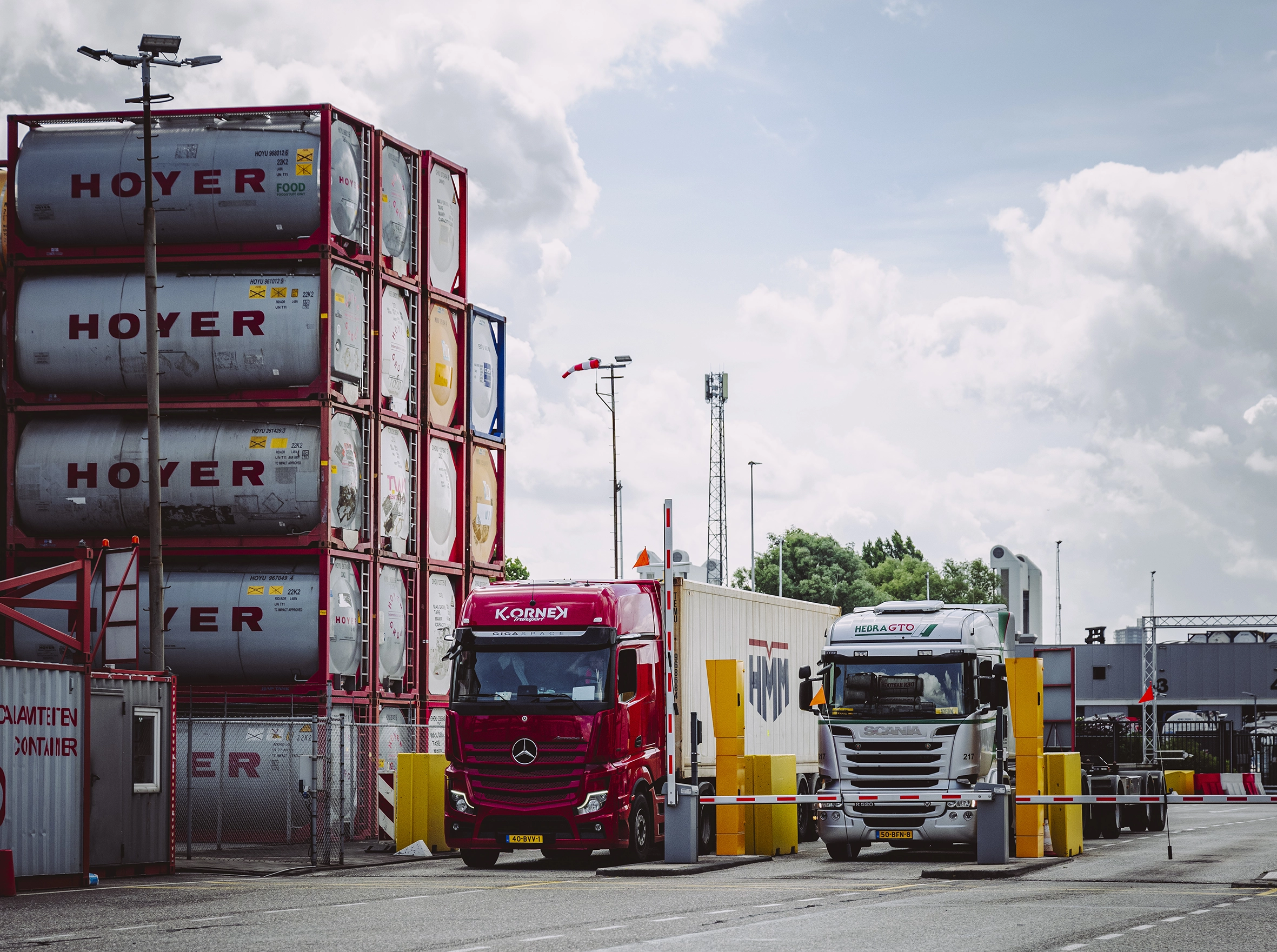
Fully automated gate process
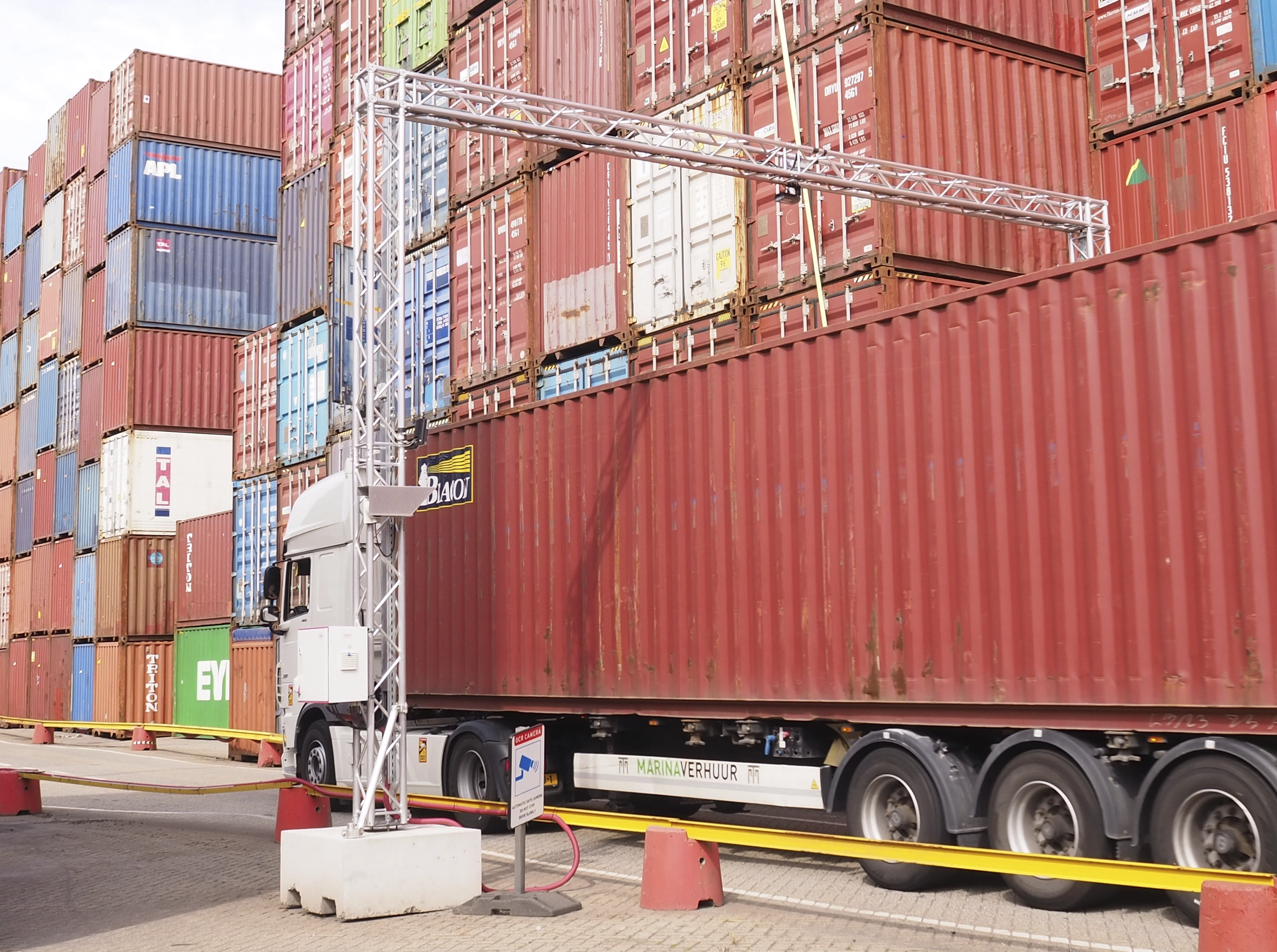
A good example is our fully automated gate process, powered by our OCR technology. The journey starts before the truck arrives. Drivers pre‑register their visit and receive a TAR code via Portbase, the Truck Appointment Reference Code from the local port community system. When the truck reaches the gate, the OCR portal scans the license plate, container number, ISO code, and checks whether the truck carries a load or is empty. If all details match, the driver moves to the kiosk, receives loading or unloading instructions, and continues through the barrier.
Only when data doesn’t match do we involve a staff member.
With trucks spending an average of only 12 minutes on-site, RBC/CETEM has reached a level of operational speed that rivals the best in the industry. Unlike other terminals that impose tight time slots on visitors, RBC/CETEM chose to optimize its own processes. The result: no long queues, no delays, and no compromise on safety.
Safety remains a cornerstone of their operations
The company handles heavy machinery and hazardous tank containers, and every truck still passes a gate checker who inspects the inside of the container. Even in an age of AI and automation, human judgment continues to play a vital role, especially in situations where sensory cues such as odors are involved.
RBC/CETEM is one of the customers that joined CERTUS following the recent acquisition of Supplai. Luuk shared that integration into the CERTUS client base gave them access to a more advanced and responsive ticketing system, where issues can be logged and tracked with full transparency. “The support we receive now is faster and more structured. We
always know what’s happening with our tickets, and that gives us peace of mind,” Luuk said.
The success of the gate automation is more than just numbers. It reflects a company that knows its strengths and invests in them. By focusing on internal efficiency rather than external restrictions, RBC/CETEM has created a system that works for everyone—drivers, staff, and customers alike. That’s what I call a success story.
RBC is a flexible terminal specialized in the storage and handling of full tank containers. They offer customized logistics solutions, including transport, heating, transferring, and customs clearance. The modern depot is equipped with all necessary facilities and certifications. Their expertise lies particularly in the long-term storage of hazardous substances (ADR/IMO).
CETEM is a container depot for the storage, inspection, repair, sale, and rental of empty sea containers and reefers. In addition, CETEM provides efficient and reliable barge connections, contributing to a sustainable logistics chain via inland waterways.


Want to Optimize your truck visits
We’d love to tell you how. Just drop your email address below, and one of our sales representatives will get in touch with you shortly.

EMAIL US
sales@certusautomation.com

CALL US
+31 85 006 88 00

HEAD OFFICE
Rietlanden 3, Sliedrecht - NL
© 2026 CERTUS Port Automation B.V. / All rights reserved
Privacy | Terms & Conditions | Site map | Contact